

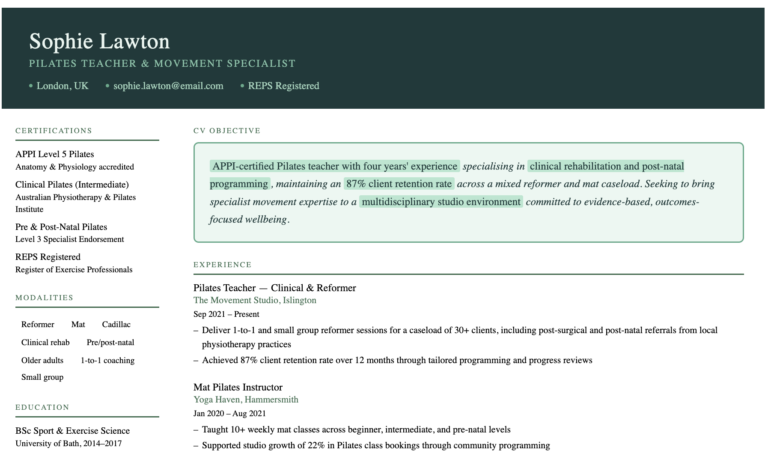
How to Write a CV Objective for Pilates Teachers
Standing out as a Pilates teacher in a competitive wellness market starts well before your first client interaction. A sharp,...
Read the Article

For more information on our content creation process, view our Editorial Policy.
Personal trainer course prices in the UK show huge variations. Some programmes cost as little as £900, but others need an investment of up to £30,000 for detailed three-year university degrees. Understanding these costs helps you make smart decisions as you plan your career as a personal trainer.
Personal trainer certification costs will be a vital factor for future fitness professionals in 2026. Let’s get into what you’ll need to budget for your training.
The fitness industry’s qualification levels come with different price points. A standalone Level 3 Personal Trainer qualification costs between £1,000 and £2,000. Most providers set their Level 3 Personal Trainer course prices at £1,199, though complete packages can reach £2,500.
Companies like Parallel Coaching make their courses available through payment plans. To name just one example, their £1,199 course can be split into eight payments of £153. The National Register of Personal Trainers shows full-time personal trainer certificates start at £1,549, with prices going up by a lot when gym facilities are part of the package.
Students save money by choosing bundled courses instead of separate qualifications. The PT Essentials course bundle costs £1,495, which saves £566 compared to individual qualification purchases. 5 Star Courses gives you both Level 2 and Level 3 certifications for £699.99.
Fit Training International takes bundling even further with a package that has Level 3 Diploma in Gym Instructing, Personal Training, and Level 3 Exercise Referral for £2,094.98. This saves £483 off the full price.
Here’s what leading UK providers charge:
All major training companies offer flexible payment options with interest-free plans. YOUR Academy lets students start with a £250 deposit and spread the remaining cost over 6-12 months at 0% interest.
The headline price shouldn’t be your only factor when comparing costs. Many providers include business support, CV help, and job placement services that improve the qualification’s overall value.
What affects personal trainer course prices goes way beyond simple tuition fees. You’ll make smarter investments in your fitness education when you know these variables.
The delivery method affects your total investment a lot. Online courses typically cost less because they have lower overheads. In-person training costs more to cover gym venue rentals and face-to-face instruction time. Your preferred learning style will shape both your educational experience and budget.
You’ll often save more money by buying qualifications as part of a package deal instead of multiple separate courses. All the same, standalone courses might be cheaper if you need just one specific certification. While many providers offer both options, some sell only packages, which might force students to pay for qualifications they don’t want.
Better tutoring and complete resources naturally push course prices higher. Strong tutor support ended up being worth the investment since it often leads to better career outcomes. Some providers add separate charges for study materials like textbooks, online resources, and practice exams.
Your geographic location changes the pricing due to regional cost differences. Courses cost more in major cities compared to smaller towns. Practical training sessions that need gym facilities might cost you more.
You can choose from several funding options, including Advanced Learner Loans (19+ Loans) for Level 3 courses and above. Service personnel leaving the military can get military resettlement grants (around £12,692 tax-free). Remember that providers who accept government loans often charge higher fees.
Hidden costs can increase your total spending by a lot. You might face administration fees, certification charges, exam resits, textbooks, and extension fees if you need more time to complete the course. The Training Room takes pride in their transparency with no hidden fees.
Investing in a personal trainer course comes with premium features that justify higher price tags. Smart budget allocation can transform a basic qualification into a thriving fitness career.
Face-to-face training provides benefits that online courses cannot match. Physical interaction gives you up-to-the-minute adjustments to form and technique. This ensures peak performance and prevents injuries. Beginners and students who need intensive technique work benefit greatly from this approach. A trainer’s tactile cues and physical exercise demonstrations create an enriched learning environment. The instructor’s physical presence naturally increases accountability and motivation.
Quality mentorship proves worth every penny. Many graduates credit their soaring wins to strong tutor support. The best providers give unlimited access to support teams through phone, email, or video calls. A dedicated support tutor who stays with you throughout your experience makes a big difference. Students often describe this mentorship as “very, very strong” in their feedback.
Even top students can fail exams. Elite Awarding suggests limiting attempts to three, but free resit options give you peace of mind. Flexible payment options remove financial obstacles to quality education. Most prominent providers offer 0% interest plans over 6-12 months. These typically require minimal deposits of around £250.
Career-launching support makes premium pricing worthwhile. YOUR Academy’s guaranteed job placement with major gym networks stands out. Expert CV assistance showcases your relevant skills and experience to attract employers. Business mentorship becomes invaluable, especially when you plan to work independently.
Smart comparison of personal training course prices goes beyond basic number crunching. A systematic approach will give you the best value in your search for the perfect PT qualification.
You should compare courses of similar formats—online with online, blended with blended. Students excel in different learning environments, so you need to decide if you want flexibility or hands-on instruction. Most providers have online study options and optional face-to-face workshops or practical sessions. YOUR Academy, to name just one example, creates custom course timetables that fit your lifestyle.
Your qualification must be CIMSPA-endorsed and Ofqual-regulated. This certification meets national standards and has international recognition. The Fitness Group’s Active IQ Quality Charter and CIMSPA Enhancing partner status show their commitment to excellence.
The package contents matter more than the price tag. You should review if the course includes unlimited tutor support, guaranteed job interviews, or free resits. OriGym keeps costs down by removing admin fees while offering unlimited free resits.
Student testimonials are a great way to get insights before making your choice. Quality providers display graduate reviews on platforms like Trustpilot. Look for feedback about tutor quality, support systems, and student experience rather than just star ratings.
Picking the right personal training course is a big investment in your fitness career future. The prices vary a lot – from £900 for basic certifications to £30,000 for complete degree programmes. You need to understand these costs to budget well and pick a programme that fits your learning needs and budget.
Beyond the money, value should be your main focus when picking a PT course. A cheaper option might look good at first, but courses that have strong tutor support, flexible payments, and career help are worth their higher price tags. The right delivery method—online or in-person—can affect your learning experience and job readiness by a lot.
Getting the right accreditation is vital. Only CIMSPA-endorsed and Ofqual-regulated qualifications will ensure employers across the UK fitness industry recognise your certification. Your investment’s success depends on this recognition.
Q1. What is the typical cost range for personal training courses in 2026?
Personal training courses in 2026 range from £900 to £30,000, with Level 3 qualifications averaging between £1,000 and £2,500. The price varies depending on the provider, course content, and included features.
Q2. Are bundled personal training courses more cost-effective?
Yes, bundled courses often offer better value than standalone qualifications. Purchasing a package deal can potentially save you £400-£500 compared to buying certifications separately.
Q3. What should I prioritise when choosing a personal training course?
Prioritise courses with strong tutor support, free resits, and job placement assistance. While these may cost more initially, they often provide better long-term value and career prospects than cheaper options lacking comprehensive guidance.
Q4. How can I ensure a personal training course is recognised by the industry?
Look for courses that are CIMSPA-endorsed and Ofqual-regulated. These accreditations ensure your qualification meets national standards and is recognised internationally, improving your employment prospects.
Q5. Are there flexible payment options available for personal training courses?
Most reputable providers offer interest-free payment plans, typically starting with a £250 deposit. These plans, often spread over 6-12 months, make quality education more accessible regardless of your upfront budget constraints.
Standing out as a Pilates teacher in a competitive wellness market starts well before your first client interaction. A sharp,...
Read the Article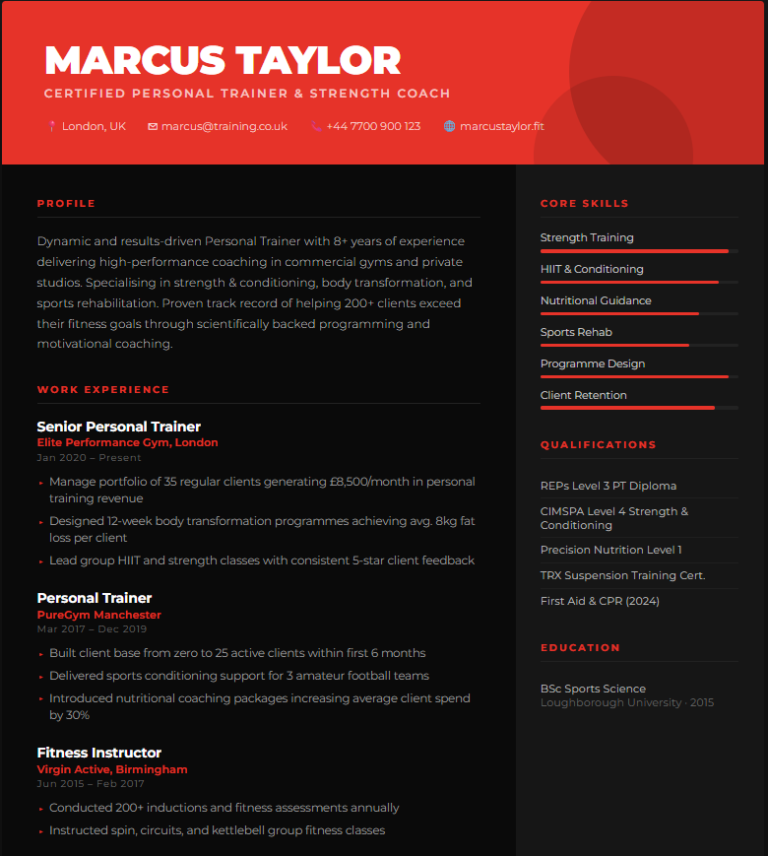
Getting your CV to stand out in the competitive fitness industry can feel daunting, but a well-crafted CV objective is...
Read the Article
For more information on our content creation process, view our Editorial Policy. Key Takeaways About 38% of people in England are now...
Read the Article